
 Member Experience
 Blog
Blog
A Practical First Step in Healthcare: How Telehealth Fits into Modern Care
You wake up one morning with a sore throat and fatigue. It’s not an emergency, but you’re not sure what it is or whether you should see a doctor. Rather than waiting days for an in-person appointment or sitting in a crowded waiting room, you open your computer or make a call and connect with a licensed physician right from home. Within minutes, you get guidance on what your symptoms might mean and what to do next.
That kind of practical, early-step care is exactly what telehealth is designed to provide, and why it’s become an essential part of modern healthcare.
Today, healthcare involves more decisions, more scheduling, and often more out-of-pocket cost than many people expect. Booking appointments, arranging transportation, balancing work and family obligations, and navigating coverage can turn even minor concerns into time-consuming challenges. Telehealth helps simplify that process by offering reliable medical guidance early, before issues escalate or unnecessary appointments are made.
Telehealth as a First Step, Not a Replacement
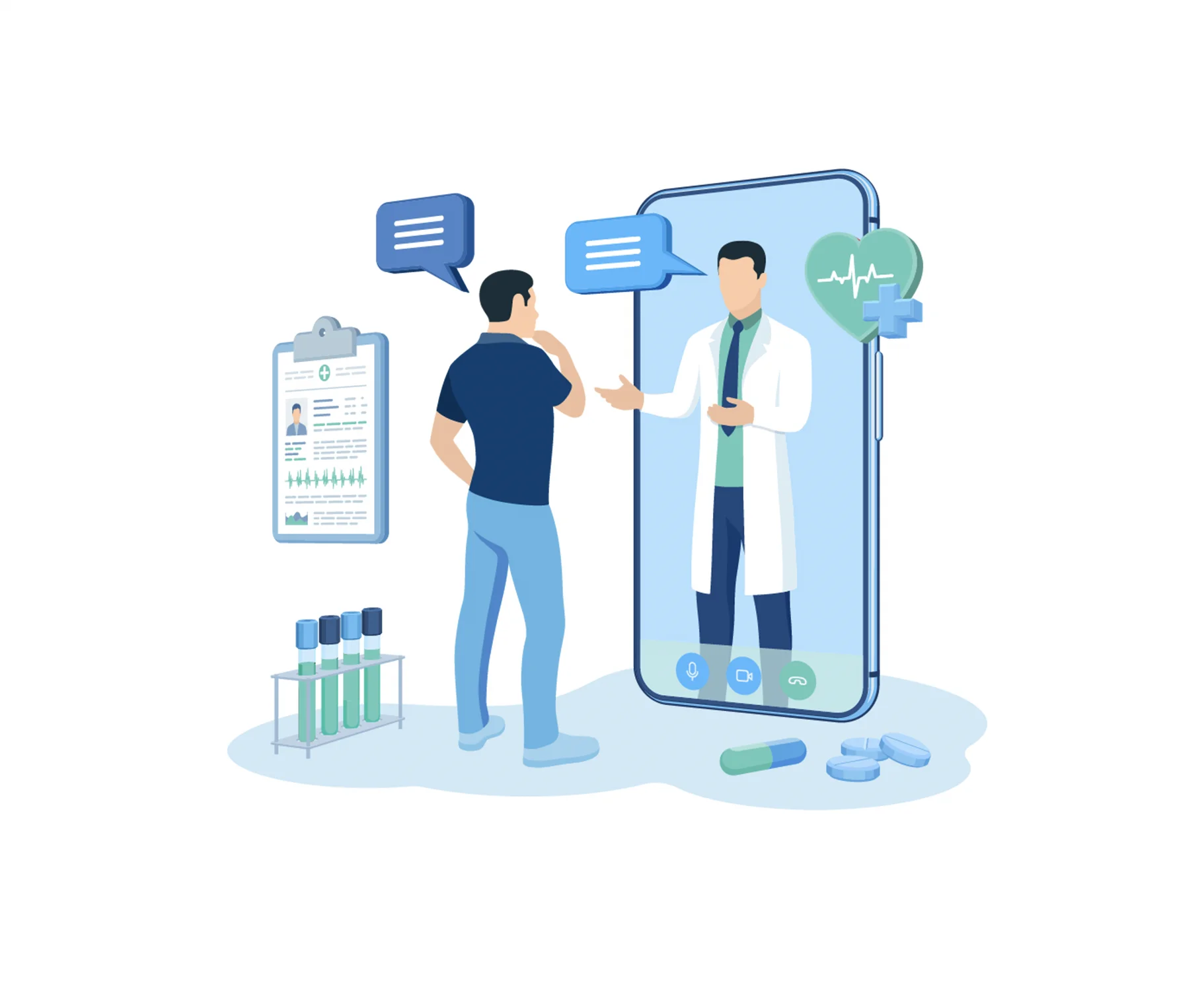
Telehealth isn’t meant to replace in-person care when it’s truly needed. Instead, it serves as a practical first step for non-emergency concerns, helping individuals decide what level of care is appropriate. Through a phone or video visit, a licensed doctor can assess symptoms, provide treatment advice, prescribe medication when appropriate, or recommend follow-up care if an in-person visit is necessary.
Under FIMC’s Silver Safeguard Plan, telemedicine provides 24/7 access to licensed doctors by phone or video for non-emergency illnesses. This means help is available when symptoms appear—not just during office hours—and guidance is only a call or click away.
Why Telehealth Has Become Essential
Telehealth use expanded rapidly during the COVID-19 pandemic and has remained an important part of healthcare delivery ever since. While virtual visits were once rare, they are now widely used for outpatient care, particularly for routine and non-urgent concerns. Research shows telehealth continues to play a significant role in how patients access care today, even as in-person visits have returned.
Convenience is one of the most cited benefits. Telehealth removes barriers like travel time, long waits, and the need to take time off work. Many patients report that virtual visits make it easier to seek care sooner, rather than delaying treatment because of logistical challenges.
Access is another major factor. Telehealth has helped expand care availability for individuals in rural areas and underserved communities, connecting patients with providers they might not otherwise reach. Studies indicate that telemedicine has meaningfully increased access to primary care in areas with limited provider availability.
Reducing Unnecessary Visits and Costs
Another major benefit to telehealth? It can help reduce unnecessary emergency department visits and overall healthcare spending.
By offering early professional guidance, virtual care helps patients determine whether symptoms can be managed at home, require a prescription, or warrant in-person evaluation. Research has shown that patients who use telehealth for certain conditions experience fewer emergency visits and lower overall medical costs.
Quality of care remains strong as well. Surveys show that many patients report comparable satisfaction and outcomes between telehealth and in-person visits for appropriate conditions, with phone and video visits both playing a role depending on patient needs.
Why Telemedicine Is Part of the Silver Safeguard Plan
The Silver Safeguard Plan includes telemedicine because it aligns with how healthcare works today. Having 24/7 access to licensed doctors allows individuals to address concerns early, make informed decisions, and avoid unnecessary disruption to daily life. As you’re evaluating symptoms, managing ongoing conditions, or determining next steps, telehealth offers practical support when it matters most.
In a healthcare system that can feel complex and time-intensive, telehealth brings clarity and accessibility to the first step of care. It empowers individuals to act sooner, choose wisely, and focus on their health. That’s what FIMC is all about.